
Bereavement Friendly Church Case Studies
The case studies below have been compiled to demonstrate the range of areas that churches and Christian organisations are involved in on a daily basis around the UK. It is not intended to be an exhaustive list, but all of those involved have shared about the journey that they are on to engage with or further develop their work in line with the Bereavement Friendly Church Charter.
It is hoped that these examples will inspire others to consider what they could develop in this vital area of ministry, but it may also encourage other churches to engage with the Charter and share their own case studies in the future. If you have a project you would like us to feature on this page, please email.
Cities

Sentient Counselling was given birth due to Covid-19. It was at a time when the death toll rose significantly within our local churches and the wider communities that we serve. Pastors were conducting funeral services on a regular basis.

I began creating bespoke memory boxes for bereaved individuals several years ago. The idea was to curate a box filled with items that not only reflect the person who has died, but also offer grieving individuals and their families a meaningful way to gather and preserve memories.

Many of the church’s pastors and group leaders attended the Bereavement Care Awareness course face-to-face in 2018 and again in 2020 online.

At the end of 2023, several people in our church experienced bereavements of family members. This along with the popularity of our ‘Service of Memories’ held once a year in partnership with local Funeral Directors, Stapleford’s, made it an obvious decision to explore The Bereavement Journey®.

The Bereavement Journey® has been running on a regular basis at Stirling Baptist Church since 2016, and the church is now celebrating having run over fifteen courses!

Each year St Wulfram’s Church in Grantham runs a special service to mark World Suicide Prevention Day. The service is for anyone who would like to pay tribute or remember a loved one, to show support for suicide prevention, for the survivors of suicide and the families and friends affected.
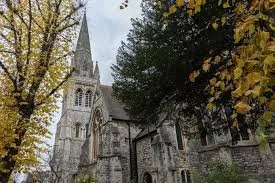
As a church we are focussing on supporting those in the community who have been bereaved, and we encourage our congregation to reach out to those who are grieving.

As a charity, we have recently finished our first The Bereavement Journey course. Soon after it, we decided to run another course as we found that there was more need for bereavement support in the community.

The St Vincent de Paul (SVP) Society has been active in the Sacred Heart Parish in Droitwich, for many years. This is an international lay Christian organisation of men, women and young people working to help relieve suffering, whether this be loneliness, illness, homelessness or any other form of poverty.

Oundle Baptist Church has donated a diverse selection of books to Oundle Library for both adults and children. Looking at tender topics around death, dying, loss and bereavement they will strengthen the library’s collection exploring these matters for borrowers.

We are from a small seaside town in the Northeast. We run a successful coffee shop called Common Ground and a community grocery store, in partnership with the Message Trust. The minister of our church approached me about running a bereavement support activity – The Bereavement Journey® programme.

I first learned about The Bereavement Journey® from a friend. I was impressed with the content of the videos and the gentle tone in every presentation. The tone seemed appropriate—almost perfect—for the subject of loss. I have been running The Bereavement Journey® for the past nine months and have held it three times during that period.

It was a huge privilege to run The Bereavement Journey® for the first time in January 2024. Preparation work recommended by AtaLoss, ensured I caught the vision for the missional focus of the programme, to present God’s love and be a very real support to people experiencing the heartbreak of bereavement.
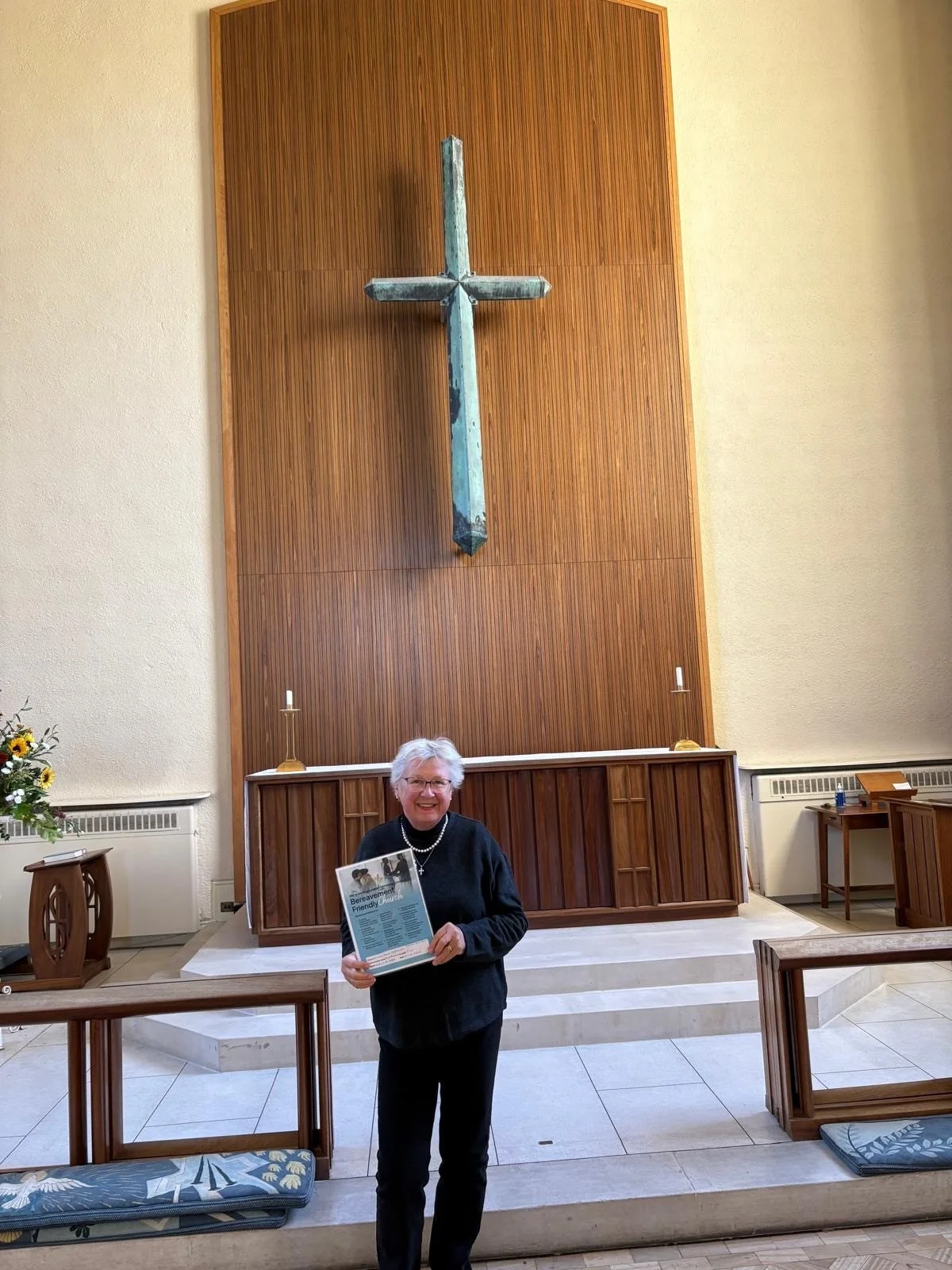
The team and I were running The Bereavement Journey® Programme in the daytime on an irregular basis. However, we felt the call from God to form a group, united in our hearts for those bereaved. We met to pray and explore in more depth the ways we could reach out with support to the local bereaved community.

Here we are five years on from the Covid pandemic, which initiated in May 2021 the conversation about bereavement at our church. It’s always helpful to reflect on our original aims. These aims included the need to challenge the culture and language we use around loss, death and dying, understanding the need to normalise what in essence is common to all humanity, that seemingly taboo topic ‘death’.

Christchurch’s Bereavement Support work consists of a team of ten people, integrated into the Pastoral Befriending work of the Church. This work is funded by and accountable to the Ecumenical Church Council (ECC). The Clergy provide oversight through regular pastoral meetings.
Towns
Rural

In February we did a day for the community on bereavement with an invited GP, lawyer, chaplain from St Michael’s Hospice, funeral director and our Rector – also we had information and leaflets from AtaLoss and Marie Curie.

The bereavement journey here is just part of living. I had the wonderful exhibition ‘It takes a village’ from Scottish Palliative Care that went down a treat as it emphasised that bereavement is complex and can be seen in a variety of different ways. I do ‘dress up’ for funerals, but I am always available to chat about life, death, grief, hope and loss, in shorts or a dog collar.

The Good News Church in Melksham recently celebrated running its 12th The Bereavement Journey Course – having first run the programme after coming out of lockdown.

Our Pastoral team of 15 participated in Care for the Family’s Bereavement Care Awareness training. Every pastoral visitor has weekly visits. We have retired nurses, doctors, and counsellors as part of the team.

St Peter’s first developed the idea of a bereavement café in April 2024. Pastoral encounters made us aware of an unmet need, that of a space to discuss death, dying and grief. We knew this needed to be a place of no judgement, no agenda, and where people could find a listening ear and a place to talk.